




TNEA CODE 1509


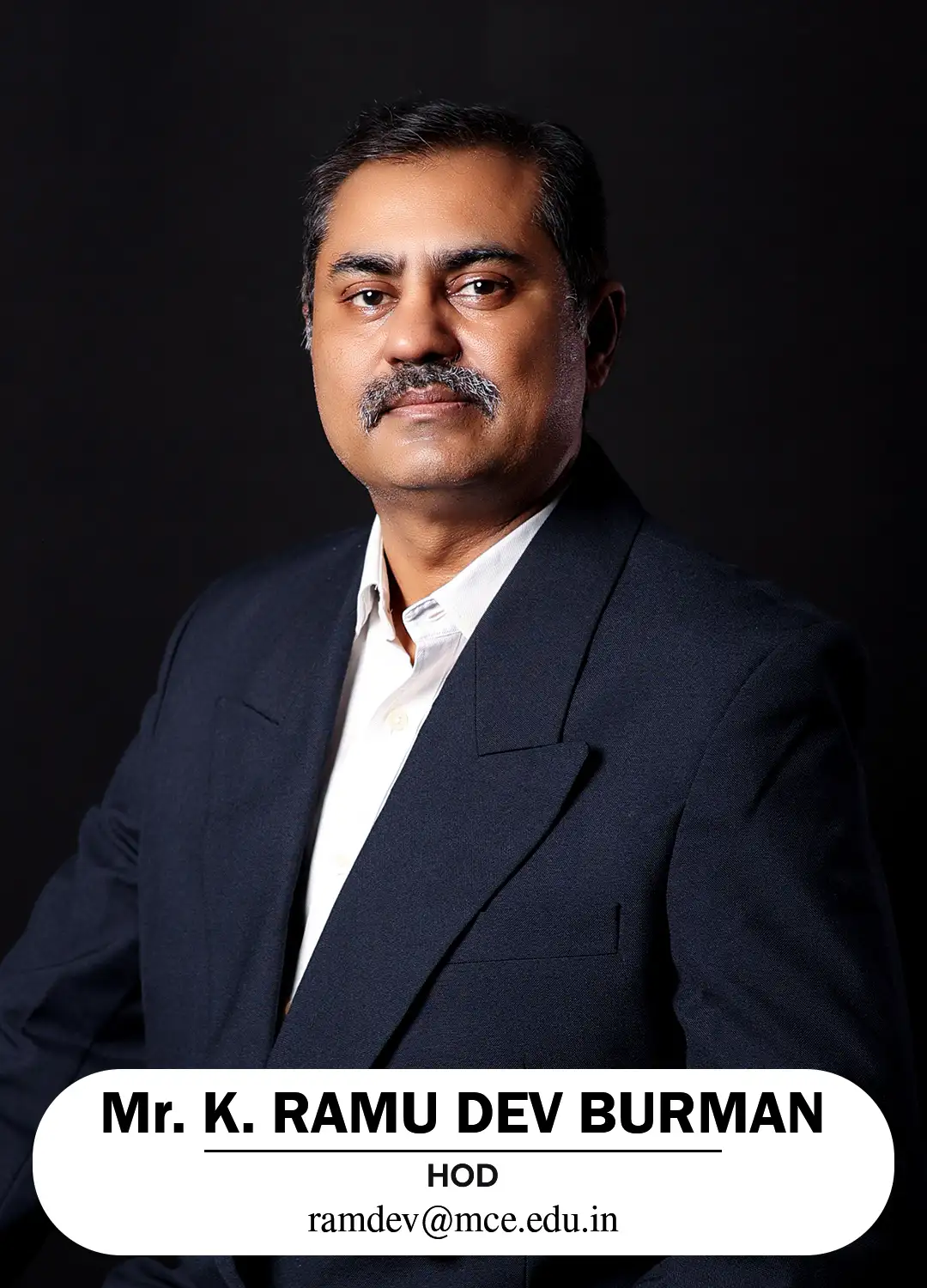
| S.No. | Name of the faculty | Designation | Dept. | Position |
| 1. | Mr. K. Ramu Dev Burman | Assistant Professor | MCA | Coordinator |
| 2. | Mr. B. Balabaranidharan | Physical Director | DPE | Co-coordinator |
| 3. | Mr. T. Anandan | Assistant Professor | ECE | Member |
| 4. | Mr. E. Vickram | Assistant Professor | MECH | Member |
| 5. | Mrs. D. Ramadevi | Associate Professor | CIVIL | Member |
| 6. | Mr. N. Jayaprakash | Assistant Professor | PHYSICS | Member |
| 7. | Dr.V. Srividya | Associate Professor | EEE | Member |
| 8. | Ms. T. Vaishnavi | Assistant Physical Director | DPE | Member |
| 9. | Mr. M. Uma Chakravarthy | Professor | ARCH. | Member |
The Discipline Committee in educational institutions plays a vital role in maintaining order, enforcing rules, and fostering a conducive learning environment.