




TNEA CODE 1509
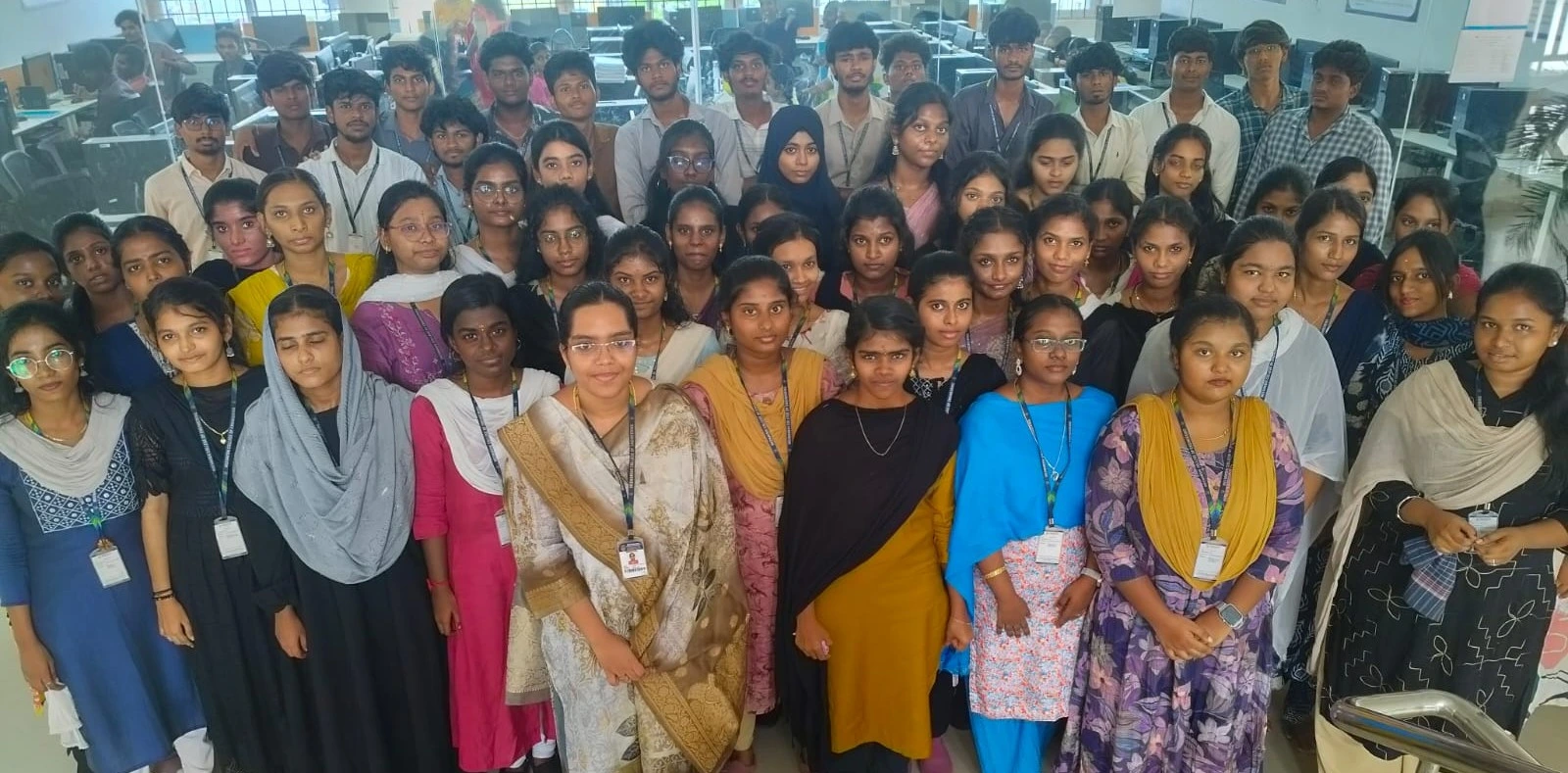
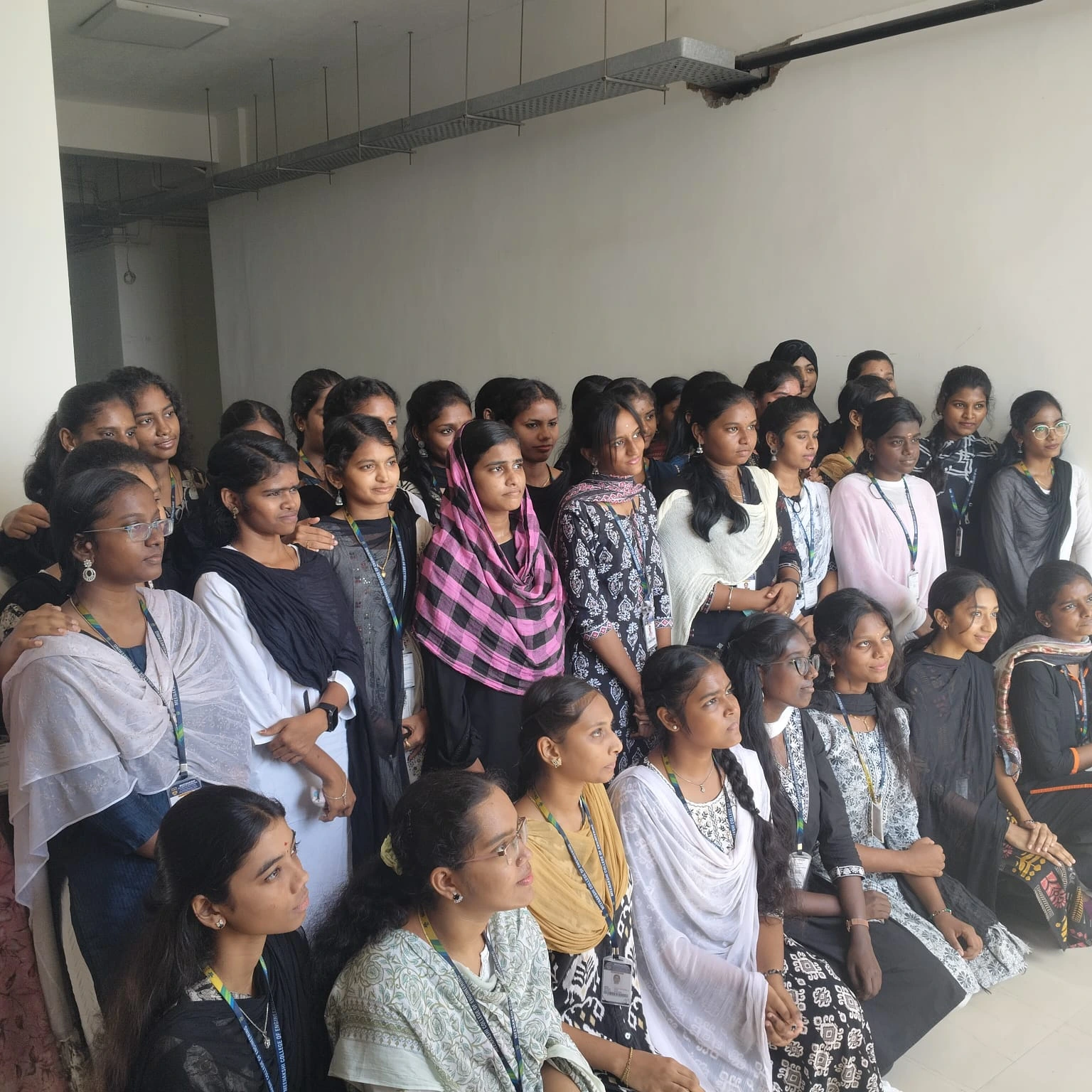
The Department of Computer Science and Business Systems (CSBS)
was established in 2025 with the objective of developing industry-ready
professionals equipped with strong technical knowledge and business skills.
The department focuses on delivering quality education that integrates Computer
Science, Business Systems, and
emerging technologies to address the evolving demands of the digital
era.
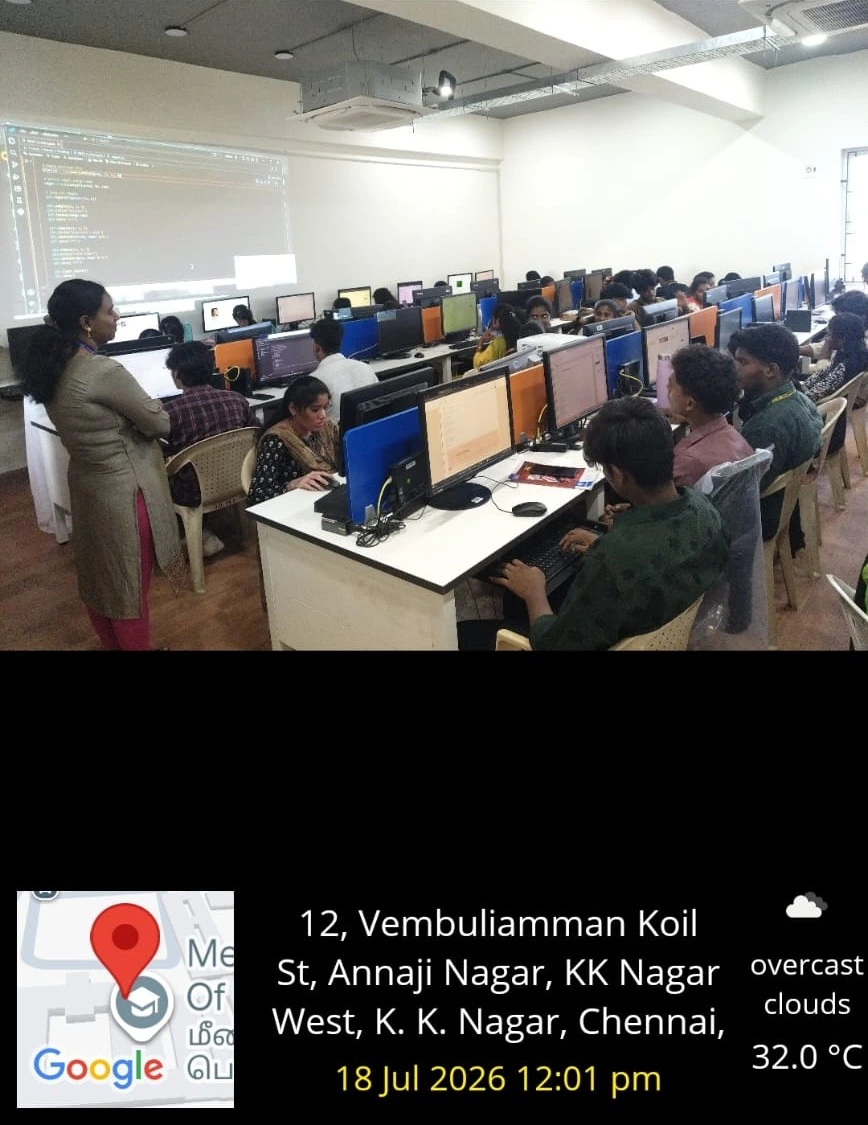
The department provides a vibrant learning environment supported by
modern laboratories, advanced computing facilities, high-speed internet
connectivity, and industry-oriented learning practices. The curriculum is
designed to enhance
students' technical, analytical, managerial, communication, and problem-solving
abilities,
preparing them to excel in both technology and business domains.
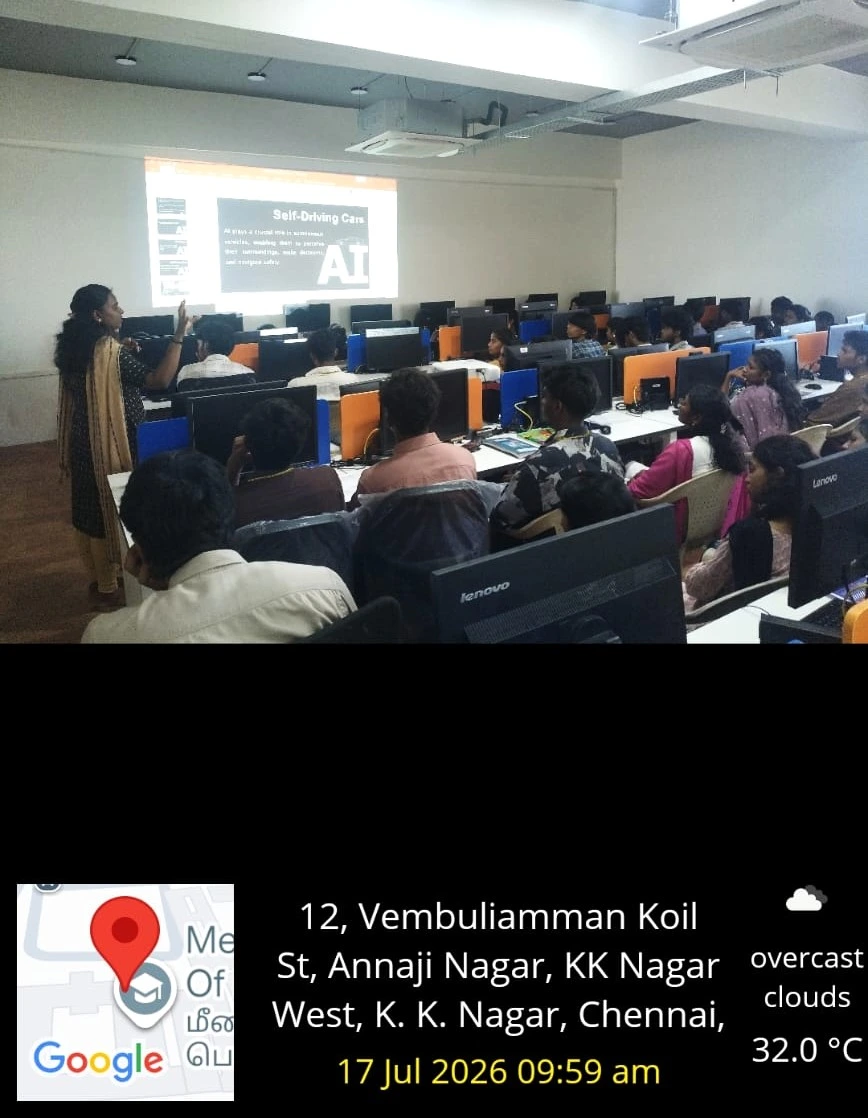
Students gain exposure to emerging technologies such as Artificial
Intelligence, Machine Learning, Data Analytics, Cloud Computing, Internet of
Things (IoT), Cyber Security, and Digital Business Systems. The program also
emphasizes
innovation, entrepreneurship, professional ethics, leadership, and teamwork,
enabling
students to become well-rounded professionals.
Committed to excellence in education, research, and innovation, the
department encourages project-based learning, industry interaction, internships,
and skill-development activities. Faculty members actively mentor students and
foster an
environment that promotes creativity, critical thinking, and lifelong
learning.
With its unique blend of computing and business education, the CSBS
department provides an excellent platform for students to pursue successful
careers, higher studies, entrepreneurship, and meaningful contributions to
society.
PEO 1: Equip graduates with strong foundations in mathematics, computer science, and business systems, enabling them to apply interdisciplinary knowledge to solve engineering and technological challenges.
PEO 2: Enhance graduates' understanding of business principles, emerging technologies, and industry practices, fostering competencies required to thrive in dynamic technological and business environments.
PEO 3: Prepare graduates for successful careers in industry, entrepreneurship, and higher education by applying technical expertise, analytical thinking, and problem-solving skills to address real-world challenges.
PEO 4: Develop socially responsible professionals who uphold ethical values, demonstrate leadership qualities, embrace diversity and sustainability, and contribute positively to society.
PO 1: Engineering
Knowledge
Apply knowledge of mathematics, natural
sciences, computing fundamentals, engineering
sciences, and specialized domains to formulate
and solve complex engineering problems.
PO 2: Problem Analysis
Identify, formulate, analyze, and evaluate
complex engineering problems through research,
critical thinking, and evidence-based reasoning,
considering sustainable development
principles.
PO 3: Design and Development of
Solutions
Design innovative systems, components,
processes, or solutions that address identified
needs
while considering public health, safety,
sustainability, economic feasibility, societal
impact,
and environmental concerns.
PO 4: Investigation of Complex
Problems
Conduct research-based investigations using
appropriate methodologies, experimentation,
modeling, data analysis, and interpretation to
derive meaningful conclusions.
PO 5: Modern Tool Usage
Select, develop, and apply appropriate
engineering, computing, and business tools,
including
simulation, modeling, analytics, and digital
technologies, while understanding their
capabilities and limitations.
PO 6: The Engineer and
Society
Assess the societal, economic, environmental,
legal, cultural, and sustainability implications
of engineering solutions and make informed
decisions for responsible development.
PO 7: Ethics
Apply ethical principles, professional
responsibilities, human values, diversity,
equity,
inclusion, and legal standards in engineering
and business practices.
PO 8: Individual and Team
Work
Function effectively as an individual, team
member, or leader in multidisciplinary and
diverse
environments to achieve common objectives.
PO 9: Communication
Communicate effectively with technical and
non-technical stakeholders through reports,
presentations, documentation, and digital
communication platforms.
PO 10: Project Management and
Finance
Apply engineering management, entrepreneurship,
financial planning, and project
management principles to execute projects
efficiently in multidisciplinary settings.
PO 11: Life-Long
Learning
Recognize the need for continuous learning,
professional development, adaptability to
emerging technologies, and critical thinking in
a rapidly evolving global environment.
PSO 1: Design, develop, and deploy innovative engineering and business solutions using modern technologies, data-driven approaches, and digital tools to address societal and industrial needs.
PSO 2: Apply contemporary technological tools, business strategies, and professional skills to deliver sustainable, ethical, and globally competitive business and engineering solutions.
PSO 3: Build successful career pathways through the integration of engineering knowledge, business acumen, leadership capabilities, entrepreneurial mindset, and lifelong learning skills, enabling graduates to excel as adaptable professionals in a global environment.
| S.No | AU-FIN | AICTE ID | Name | Designation | Photo (Passport Size) |
|---|---|---|---|---|---|
| 1 | 2611531987 | 1-44860944314 | Mrs.BASKARI S | Assistant Professor |

|
| 2 | 2612761991 | 1-46614371196 | Dr.M.Ramadhevi | Assistant Professor |

|